Showing posts with label lapwing. Show all posts

18 February 2022

Stormy Weather

Every Grain of Sand (again....)
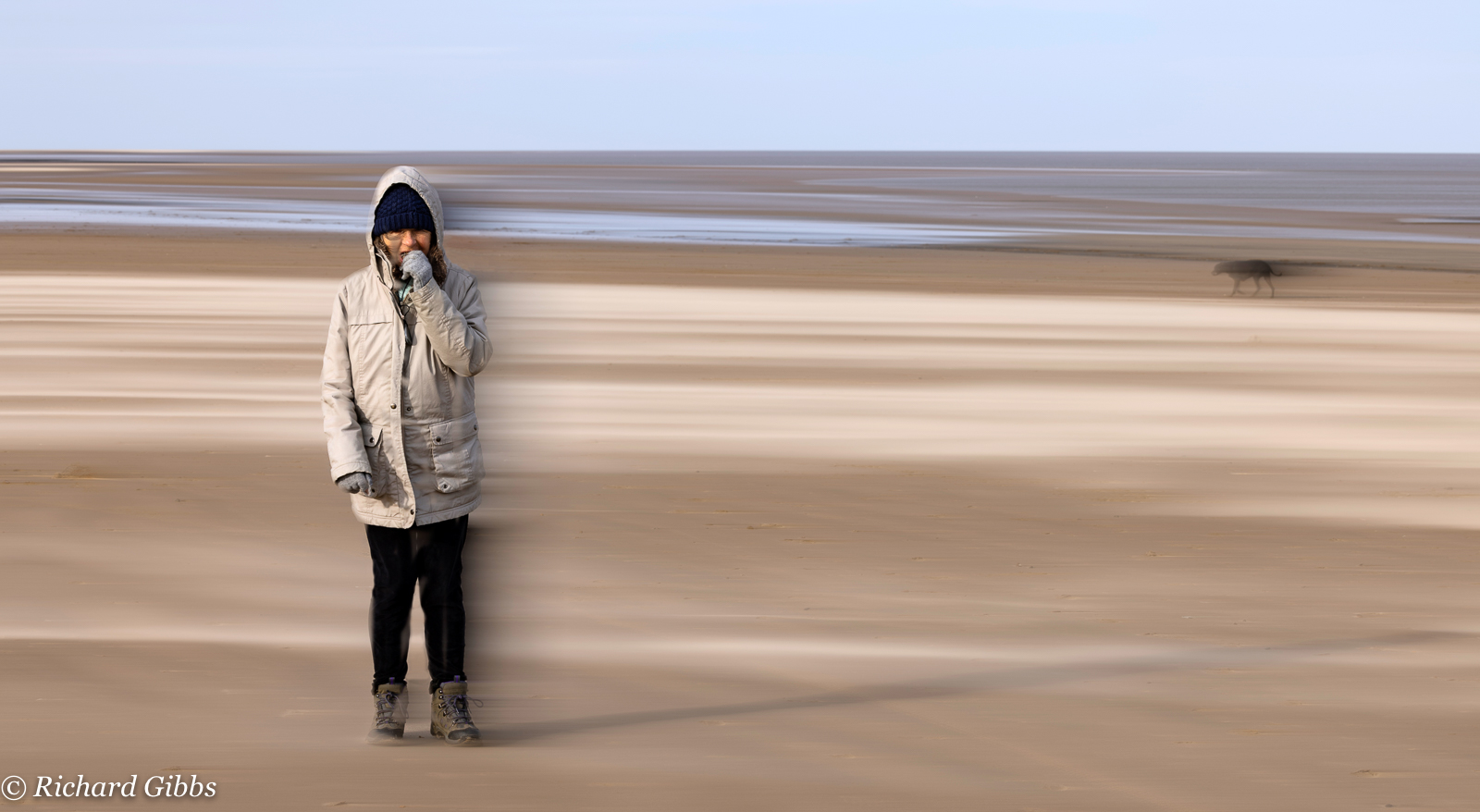


Almost a year ago, settling in to our new home in Norfolk and exploring the area, especially the   never-ending sandy beaches on the north coast, I pieced together some thoughts and pictures and quoted from Bob Dylan. You may remember. You may be tired of my rehearsal of these words. You may, as many do, gloss over the words and leaf through the pics as if it were a well-thumbed magazine in the dentist's waiting room. However, this time I am not questioning Dylan's Christianity.....


There’s a dyin’ voice within me reaching out somewhere
Toiling in the danger and in the morals of despair

I am still wandering the windswept/stormy acres of sand. Still trying to catch the birds.....
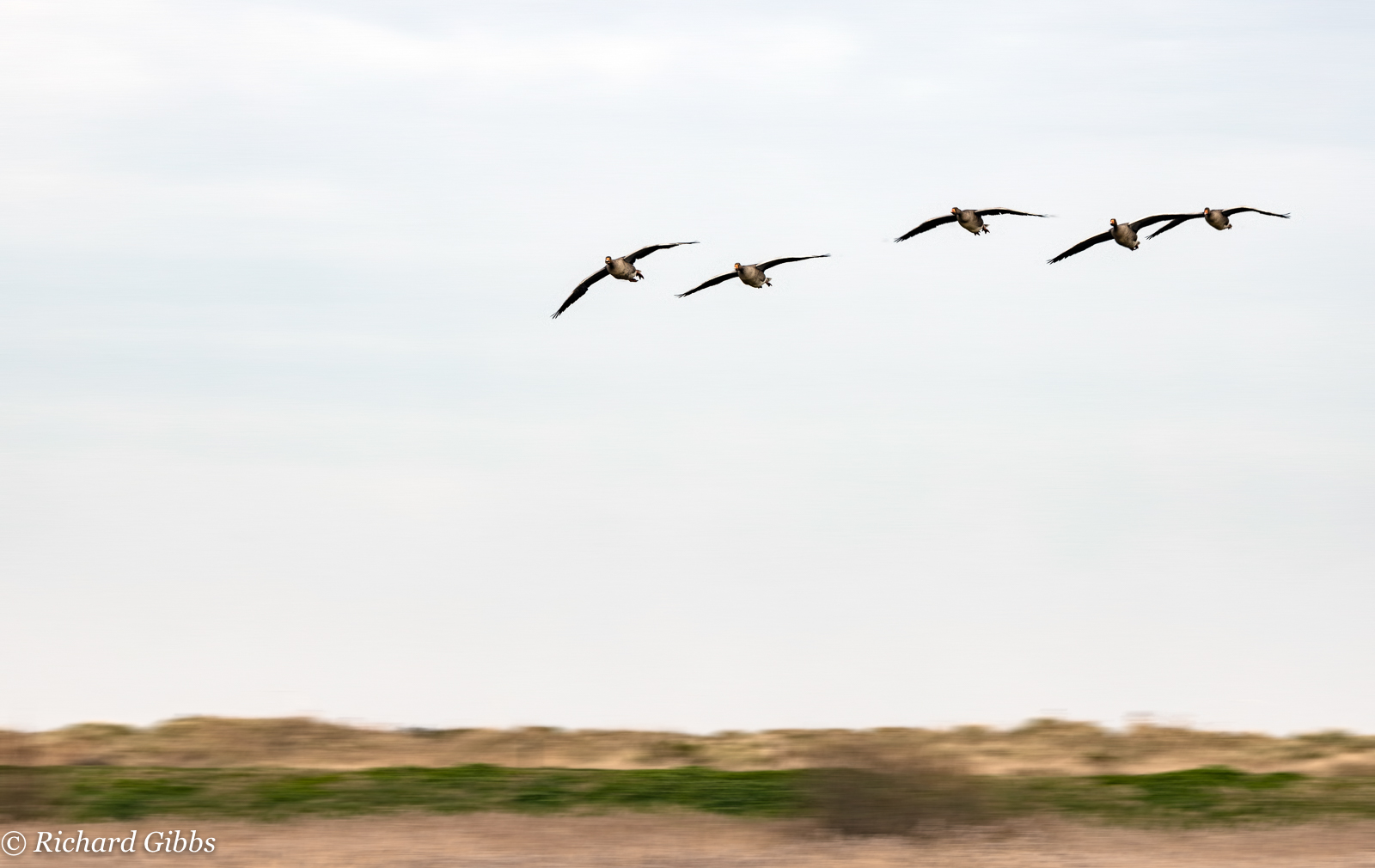


It's stormy weather, as the wind whips the bamboo at the head of our garden and scours the beach at Holme-next-the-sea. It's February, but not cold, not like it was sixty-plus years ago when I was a kid.

In the fury of the moment I can see the Master’s hand
In every leaf that trembles, in every grain of sand
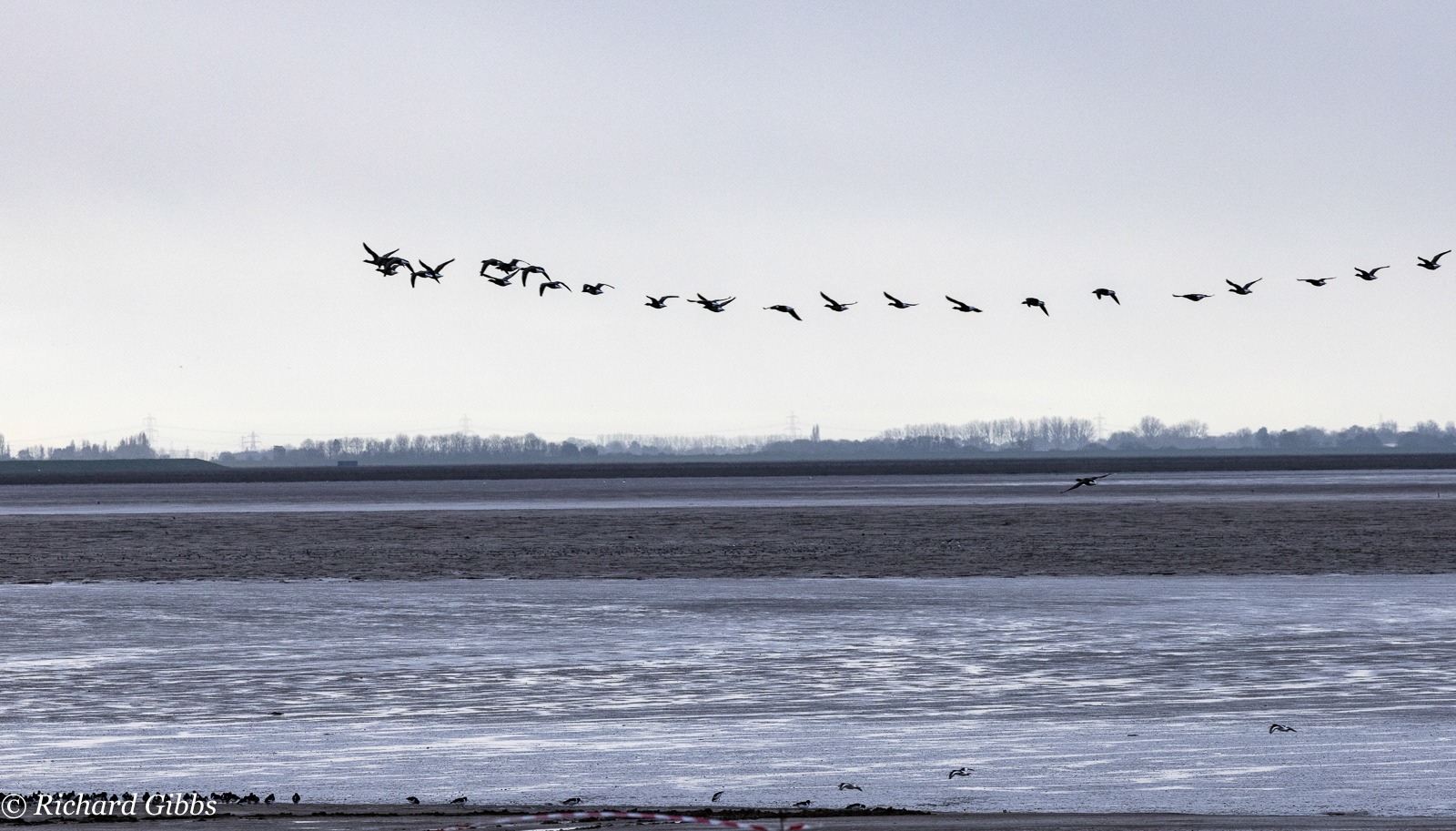


I have respect for Bob Dylan: his thoughts, his words, his music.  I don't always love his work; I have doubts, sometimes, about the lasting value of some of his observations, but that is chicken feed when you consider the wealth, and breadth, of his output.  

I have always loved this particular song (in all its versions - whether a dog barks in the background of the 1980 demo; on 1981's Shot of Love, live on Trouble no More; in Nana Mouskouri's quavering waterfall impression; in Emmylou Harris's limping soprano, Barb Jungr's crisp Rochdale air  or Chrissie Hynde's smoky contralto) notwithstanding details of the text and the way it arose during his uncertain support of reborn christian dogma.....
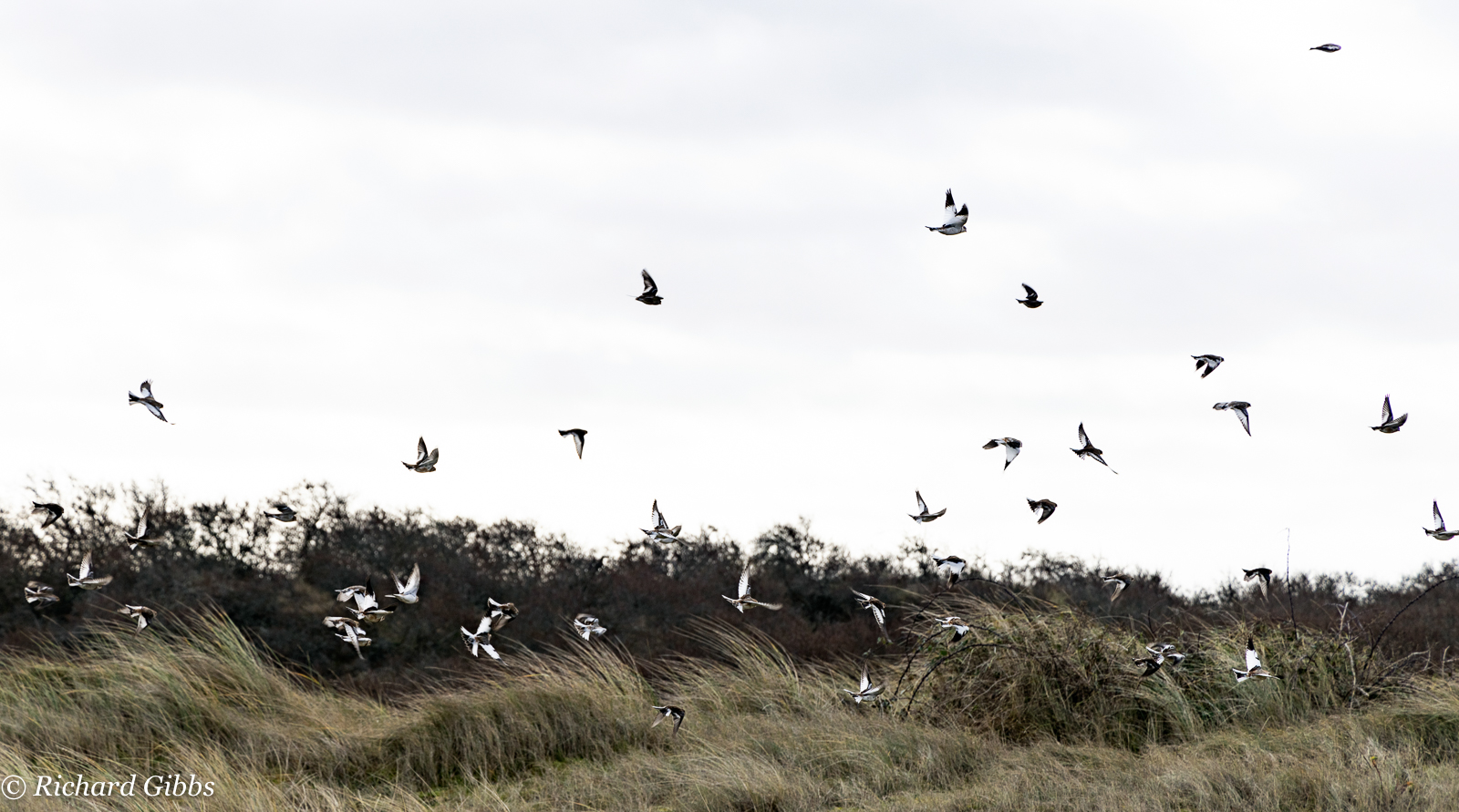


A Drift of Snow Buntings


I relate to the essential message, which, I think, is that (regardless of whether or not there is a god) we should not exaggerate our importance.  We humans, like every sparrow falling, should only see ourselves as tiny fragments of the world; an insignificance that should never merit more than a moment's attention...

Oh, the flowers of indulgence and the weeds of yesteryear
Like criminals, they have choked the breath of conscience and good cheer
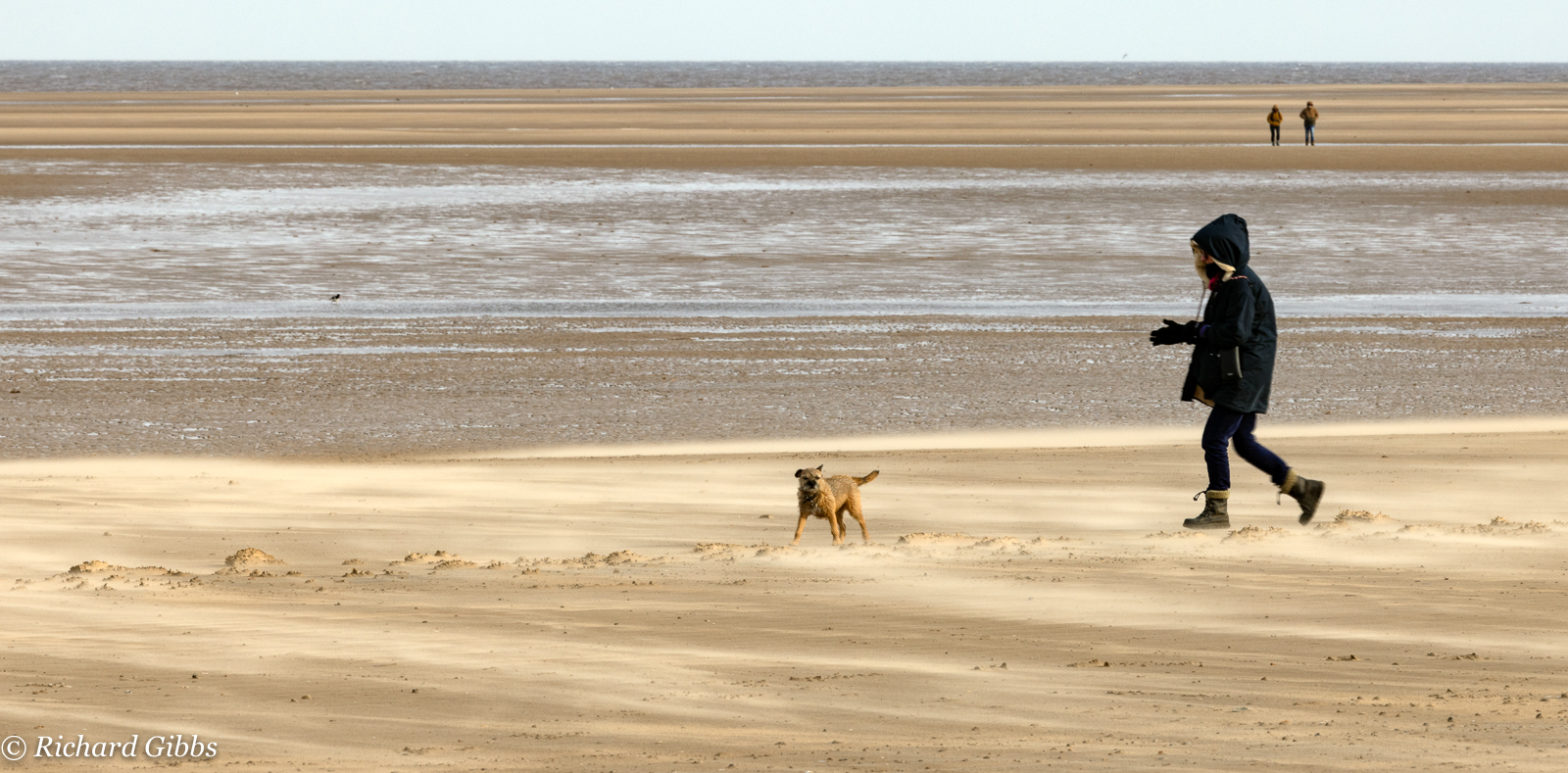


My days may be in the yellow leaf, but our sandy walks are invigorating, the birds showering past....
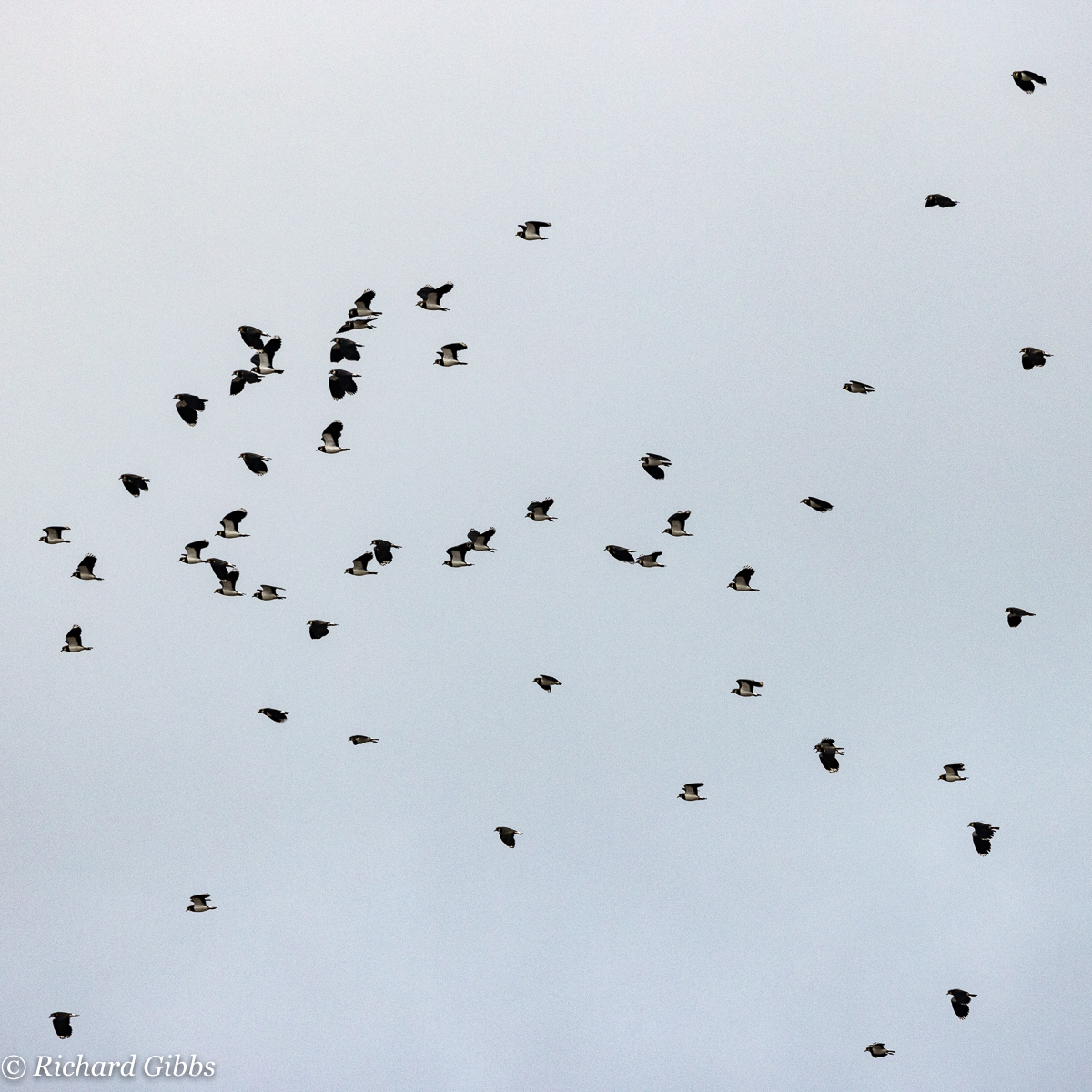


A Deceit of Lapwings

I feel tired a lot of the time. It has been a weary two years, and little in the news brings lightness or relief. For some reason an image keeps recurring to me.  I was about twelve years old, and a friend had roped me in to being a runner at the Bucks County Show, carrying results from the rings to the judges tent. I was careering along with a fistful of dockets when I noted four men walking purposely against my direction.  
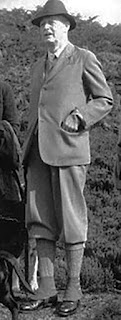
As I passed I saw that one of them was Harold Macmillan, the then Prime Minister.  He wore brown brogues, greenish tweed breeks and a loose jacket. His moustache was stained with nicotine and I felt his eyes, though heavily lidded and hooded by his hat, seemed to be taking in everything around.  It was a fleeting moment in time, but it has stuck with me.  He was, I cannot help but feel (though what do I know?) a man of energy and integrity.  The shame of it is that I also feel that that moment in time was perhaps the last when we had a Prime Minister worthy of the title - certainly the current incumbent is a national disgrace....

The sun beat down upon the steps of time to light the way
To ease the pain of idleness and the memory of decay
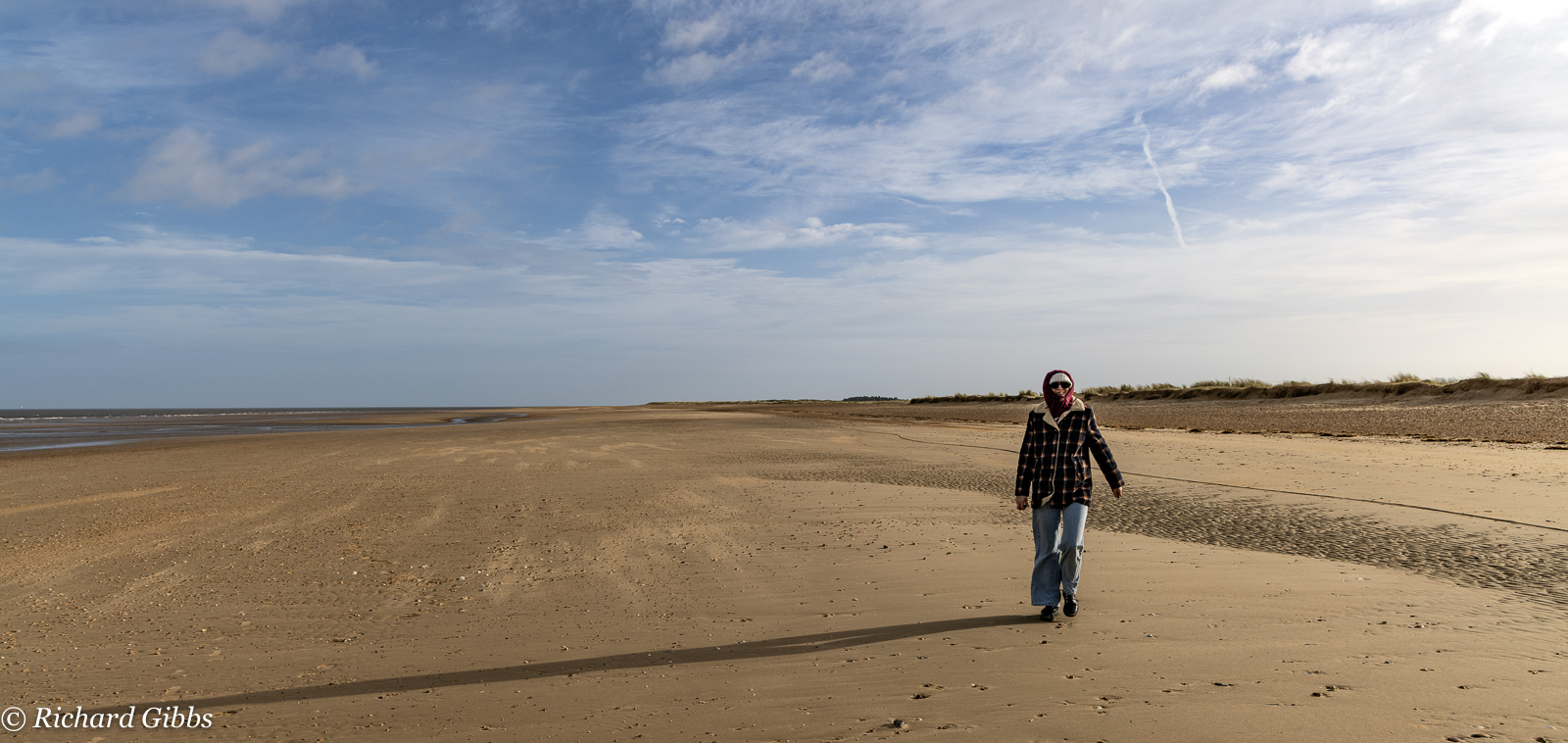


Shadowy thoughts bother my mind, randomly troubling my days. Our daughter Sarah is over from her home in Australia to spend a little time with her mother.  

.... onward in my journey I come to understand
That every hair is numbered like every grain of sand


When we walk in the Norfolk air, especially on blustery days, I breathe deeply and am grateful that things are not worse.  My own story is nothing like these lines: 

I have gone from rags to riches in the sorrow of the night
In the violence of a summer’s dream, in the chill of a wintry light
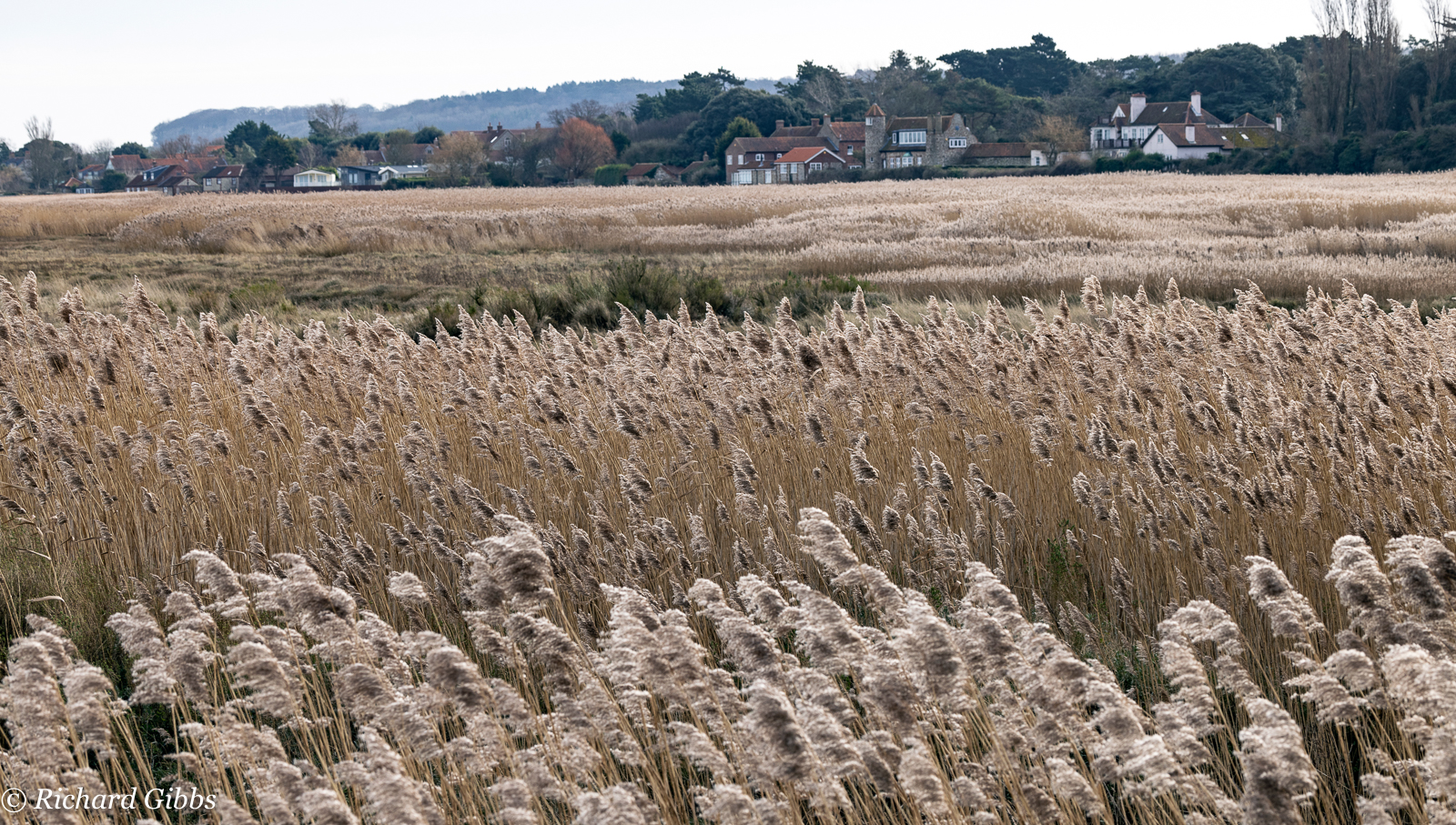


Tread softly because you tread on my dreams


Though I can share something of these:

In the bitter dance of loneliness fading into space
In the broken mirror of innocence on each forgotten face
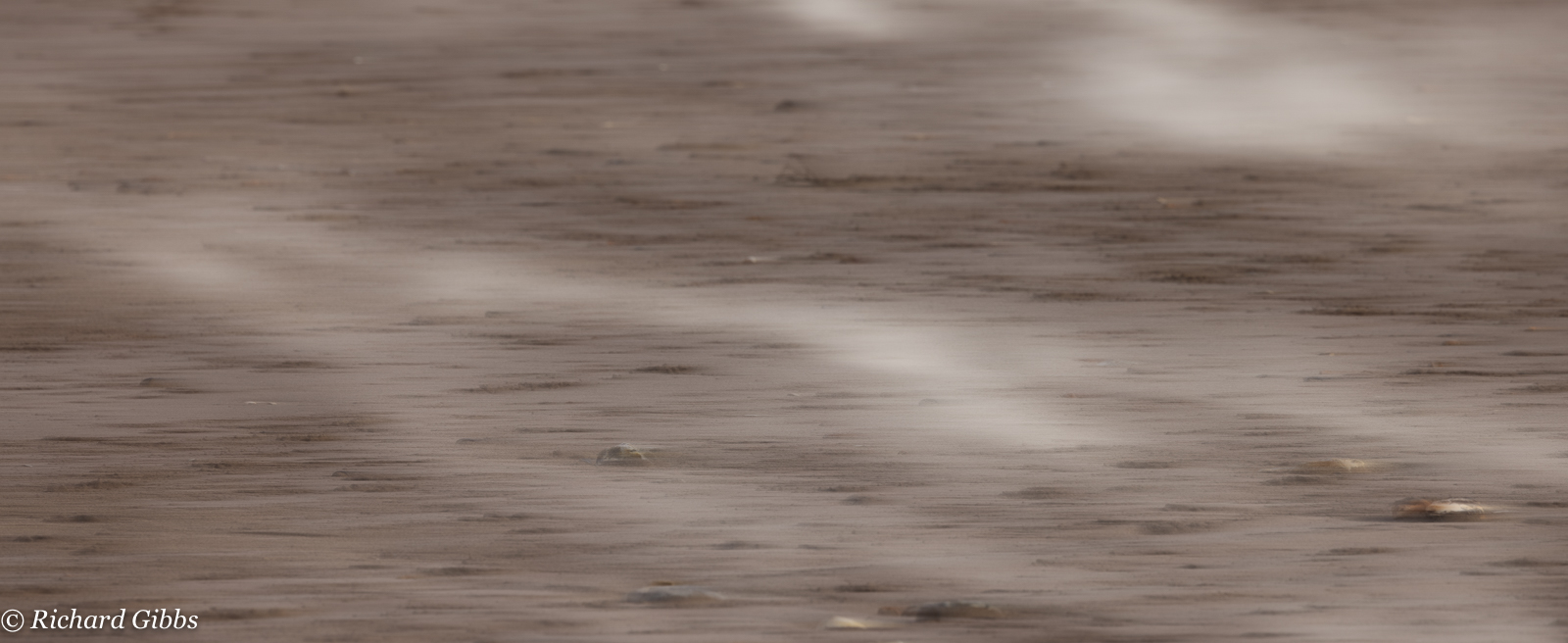


Putting things into perspective is a part of learning to live. Stepping out on the tidal sands, looking out to the cold North, we are at the mercy of the elements, and, though we may aspire to control climate change, the probability is that our collective efforts will have little impact. We may perhaps slow the pace of global warming, but we could never have stopped an Ice Age, and I fear that as things are the progressive greed of generations will lay waste this beautiful planet.
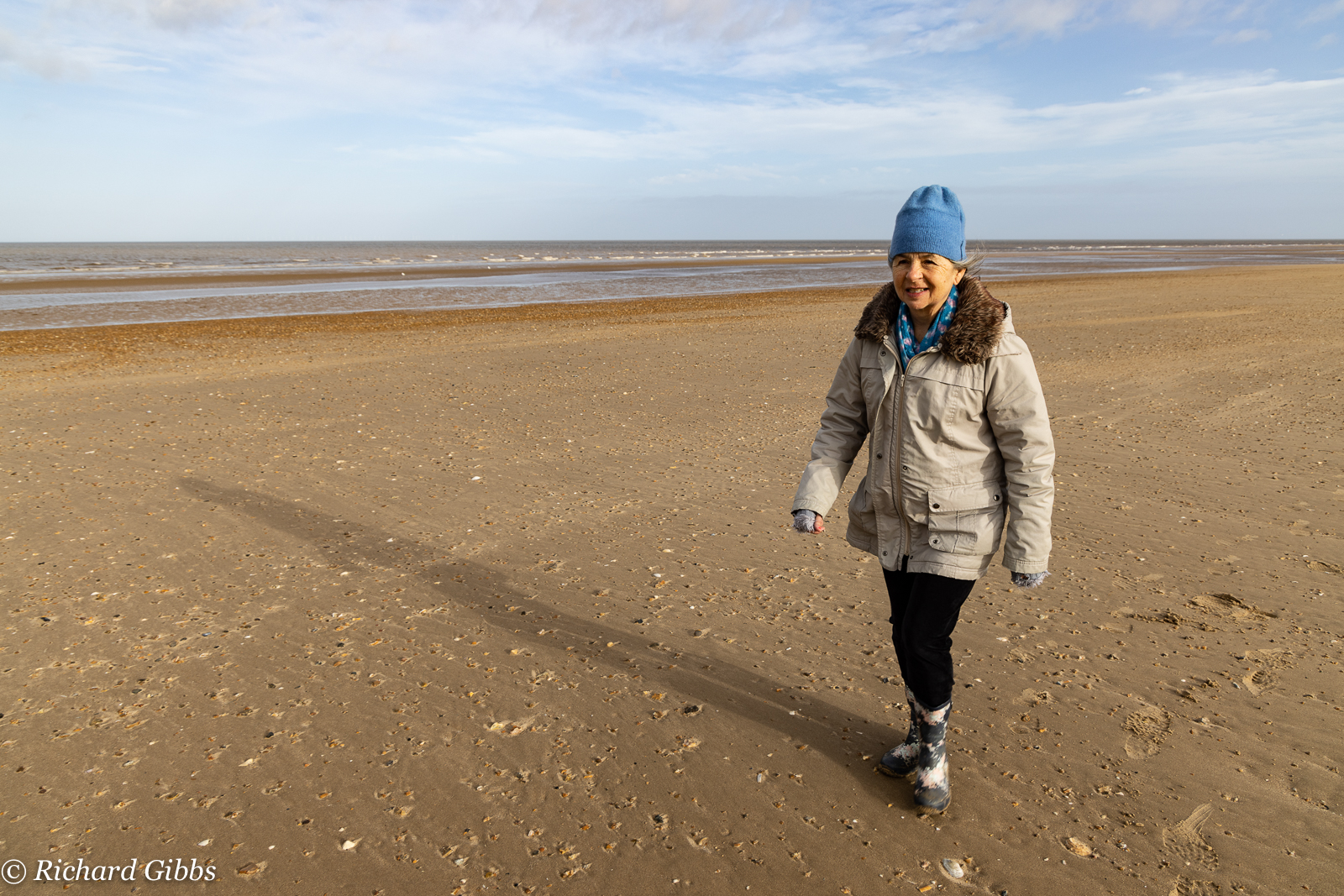


I hear the ancient footsteps like the motion of the sea
Sometimes I turn, there’s someone there, other times it’s only me
I am hanging in the balance of the reality of man
Like every sparrow falling, like every grain of sand


Bob Dylan

Copyright © 1981 by Special Rider Music
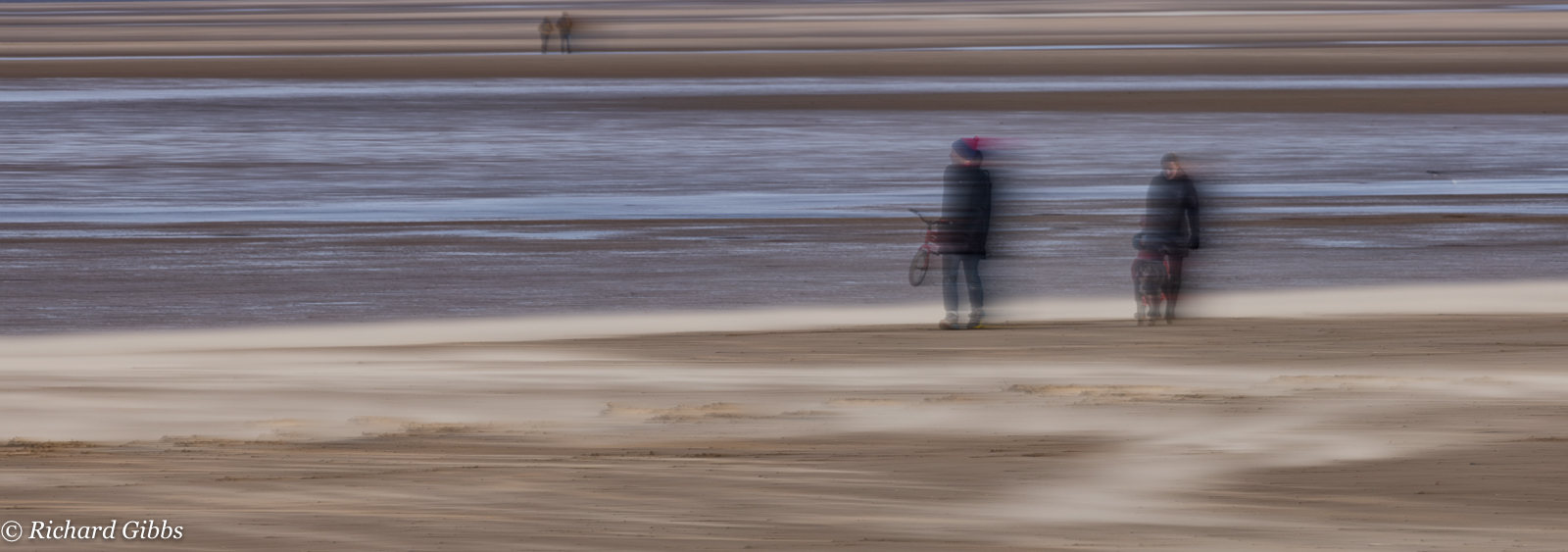


Oh, yeah
Life is bad
Gloom and misery everywhere
Stormy weather, stormy weather
And I just can get my poor self together
Oh, I'm weary all of the time
The time, so weary all of the time

Stormy Weather
Harold Arlen / Ted Koehler


25 March 2017

Cwm Rhondda

Bread of Heaven....

Arglwydd, arwain trwy’r anialwch


Saturday, March 25th, 2017.  As has become a sometime habit I walk from home to Redbournbury Mill, about two and a half miles away, to buy bread.  


There's a spring in my feet.  Amanda meets me part way, and we enjoy the dip into the Ver valley, cherry blossom and bees brightening the way....


It is a perfect spring day.  The sun shines from a blue sky; fresh breezes keep us fresh.


There is a reason we go to Redbournbury. The bread is baked there, on the spot, with flour milled on the spot, some of it from organic grain from nearby Hammond's Farm....


Bread is what we require.  As my friend Sarah Stancliffe writes in her Book of Bread: Bread has been a staple food of humankind since we settled down and became farmers rather than hunters....


And one thing that is rather special about this bread is that in order to get it I need to walk two and a half miles each way through the English countryside, with all the surprises and delights this offers.....


With bread on my mind, the tune of Cwm Rhondda begins to tweet in time with the birdsong that accompanies me, whether it is the song of the Chaffinch,


 Or the less musical trump of the Chiffchaff....


And while I consider the words of William Williams

Guide me, O thou great Redeemer,
Pilgrim through this barren land;
I am weak, but thou art mighty;
Hold me with thy powerful hand:
Bread of heaven, bread of heaven
Feed me till I want no more.


Feed me till I want no more.


I am spied along the way.  This Goldfinch saw me coming, watching me to see if I had crumbs to offer, 


And then we reach the mill, where flour has been ground for generations, powered by the sleepy Ver....


Here the breads are displayed, warm from the morning oven....


And then, happily supplied, we return, observed by the beady eyes of hungry birds....


Both the bold, high-seated, and the less confident, elusive.....


Overhead, a lapwing speeds past, wary of me, and of a red kite that is not that far behind, 


While another of the crow family keeps an eye on me from on high....


Open thou the crystal fountain
Whence the healing stream shall flow;
Let the fiery, cloudy pillar
Lead me all my journey through:
Strong deliverer, strong deliverer
Be thou still my strength and shield.


Be thou still my strength and shield.


Or so the Skylark could be saying.....


Or the Yellowhammer might imply,


Not to miss a squirrel in the willow, 


Nor the light green shoots of the larch....


Or the flowers of a cherry against the young shoots of a wheat field....


As Edmund Burke said in Thoughts and Details on Scarcity: And having looked to government for bread, on the very first scarcity they will turn and bite the hand that fed them....


When I tread the verge of Jordan,
Bid my anxious fears subside;
Death of death, and hell’s destruction,
Land me safe on Canaan’s side:
Songs of praises, songs of praises
I will ever give to thee.


Ah, but it was a fine morning's walk, whatever.....

Songs of praises, songs of praises
I will ever give to thee.


21 February 2014

Slimbridge Wetland Centre

Wildfowl and Wetlands

I am watching you

In these sodden days of argument and misery, of slime and stench, water and more water, what better place for a day out than a Wetland Centre?


A View from the Bridge (The Sloane Observation Tower)

When Peter Scott's father, Captain Robert Falcon Scott, wrote to his wife from his ill-fated Antarctic expedition in 1911, he urged her to make their son, interested in Natural History, if you can; it is better than games......  Peter was only two at the time, but the encouragement worked, eventually.  After developing his talents as an artist, and also winning a bronze medal for dinghy sailing at the Berlin Olympics in 1936, he became an officer in the Royal Navy during the Second World War, during which he was awarded the Distinguished Service Cross for gallantry.  


Sir Peter Scott 1909 - 1989 (by Jacqueline Shackleton)

He was also a competitive ice-skater, and a gliding champion, but his real claim to fame came when, having seen a Lesser White-fronted Goose in Gloucestershire, he founded the Severn Wildfowl Trust (which became the Wildfowl and Wetlands Trust) at Slimbridge, where he bought a cottage and some land and lived for the rest of his life.  This also led to the BBC Natural History Unit making its home in Bristol, and, separately, also inspired Peter to be one of the founders, and the first chairman, of the World Wildlife Fund, in 1961.


A Bird's Eye View

Peter also achieved fame for his wildlife TV programme, Look, which ran from 1955 to 1981, and which was probably one of the reasons I became interested in birds.....  I remember visiting Slimbridge with my parents as a very young thing, and when I returned this week found that although there have been huge developments on the site, there was something very familiar about it, and loved it, despite the rain.


Good to see you back!


It was a good time to visit, as the mild winter (yes it has been mild) has meant that many birds have wintered here when they might have gone further south.  Also, the rain (we have had some it is true) has kept the wetlands wet and the wildfowl happy - after all, it's all just water off a duck's back!


A Desert of Lapwings

The whole site covers 120 acres.  There are (at least) twelve hides as well as three observatories.  From the Sloane Observation Tower you can see from the Cotswolds to the Forest of Dean across the Severn, and in the Peng Observatory, you can sit in comfort and watch the birds through glass walls.  Many of the birds come here of their own free will, as part of their migratory life style.  These two Pintail (Anas Acuta) are representatives of one of the commonest ducks in the world (despite recent declines especially in North America), with some 5.4 million individuals covering 11 million square miles across the entire northern hemisphere.  Many winter in the UK, though only about 30 pairs breed here.


A pair of Northern Pintail

In contrast, this Hawaiian Goose is the world's rarest goose, and was on the brink of extinction with only 30 birds left in 1952 when Peter Scott introduced it to Slimbridge. There are now some 2,500 individuals around the world, about half of whom live in the wild.  It is the State Bird of Hawaii.


The Nene, or Hawaiian, Goose

You do not have to be a twitcher to enjoy sighting different species of birds here.  I am no expert, but with the help of a book, and the very helpful posters displayed around the hides, it is not difficult to pick out birds, even though they seem to be happily muddled up together on the lakes.


Common Goldeneye (m)

Once you start getting the hang of it, then you can start to see how different they are.  Some dabble at the surface, some dive.  Some seem to be happy on their own, some paddle about in pairs, and some flock, or spring.


Common Pochard (m)

Their names are fascinating too, as some, like the Goldeneye, are pretty obvious, and some, like the Wigeon, apparently derive onomatopoeically from their call.  The Pochard is so called because it pokes or poaches when it delves for food.


Eurasian Wigeon (m)

But who knows how the Tufted Duck got his name?


Tufted Duck (m)

At the time of my visit, the board recording latest wildlife sightings (i.e. not counting the permanently resident birds and animals) listed 67 species of bird, of which 23 were wildfowl and 12 were waders. The total of these sightings was 24,288, though some of these, such as the solitary Puffin and a similarly lonely Razorbill, were only seen on one day. By far the most numerous was the Lapwing, with 7,655 individuals counted, but there were also thousands of Wigeon, Teal, Mallard, Golden Plover and Dunlin. These numbers vary daily, however, and on February 21st, 2,500 Shoveler were also noted (as opposed to the 332 when I was there).  There were 139 Bewick's Swan, each with his or her completely individual upper beak markings, and 135 Mute Swan, all quite sociably getting along well together.....

A gaggle of swans - Mute on the left and Bewick's on the right, with a cygnet in the middle

And in the air, on the water, and waddling amongst the visitors on the paths, were almost 1000 various geese, of whom 503 were Greylag......


A landing party - a Skein of Greylag Geese whiffling down

For many visitors an additional attraction to the wildlife that abounds at Slimbridge is the collection of exotic species. There are representatives of all six species of Flamingo here and the new Flamingo Lagoon is the best place to view the extraordinary beaked profile of the Greater Flamingo, little changed from fossils of these creatures that are 50 million years old.


Greater Flamingo


While on the other side of the reserve the richly coloured Caribbean variety creates a lively spectacle.


The Caribbean Flamingo dance

As the place is fox-proof and carefully managed, there are plenty of more mundane birds to see as well, from Blue Tits to Blackbirds, Robins to Thrushes.  At this time of year these are starting to sing, adding another dimension to the pleasures of a walk round here.  There are some American River Otters to see as well, and, if you are lucky you might catch a glimpse of a Water Vole, or a Kingfisher.


A Clattering of Jackdaws, happy to be living in the Wetlands


Slimbridge is a fine place for a day out, even if the weather is not clement.  There are eight other Wetland Centres in the UK, however, so have a look at their website for more information:

http://www.wwt.org.uk/


For me Slimbridge is a rather special place, though, as it was probably the first place I saw the magnificence of a swan's take-off, which is something that remains with you, etched on the mind like a tableau of porcelain ducks over a tiled fireplace......


Take off!