Shelter from the storm

I’m in the doldrums. Brexit has cleft us all in two. In Burrington
Combe, not far south of Bristol
Rock of Ages
This rock
derives its name
from the well
known hymn
written about
1762 by the
Rev A M
Toplady
who was
inspired whilst sheltering
in this cleft
during a storm

Lucky
Toplady! He had somewhere to hide,
though 'Twas in another lifetime (one of toil and blood, when blackness was
a virtue and the road was full of mud….) and,
to a certain extent, times have
changed.
This was not a good day. Everything
up to that point had been left unresolved, so I Try imagining a place where it's always safe and warm.

Unlucky me.
The chills of the insular Brexit wilderness surround me, a creature void of form, and I am up on
the Mendips, slogging up to Beacon Batch, the highest point on Black Down, aptly named for my current
mood. People lived here in pre-historic emptiness. Who knows what they felt in the darkest hour,
before dawn? Now, the sweeping views
over Blagdon, and across the wild uplands,
give me little solace.

I trek across the watery tracks to Rowberrow Warren, and down through the
forest, where seeing wood from trees is a pathetic joke.

Then I rise up over the flowery slopes of Dolebury Warren, with church bells
tolling the knell of another wedding in the folds below. The fort atop the Warren London , or Brussels,

I slip down through the ash woods, as yet defying
the disease that is sweeping across the continent. I seek comfort in a cottage at Churchill Batch, ironically named The Crown, though no sign currently
gives this away.

Here an unseasonal fire
cheers the small gathering of locals.
Conversation trips around the heady matters of the day, but no one is
celebrating. Temporary though this cleft
may be, at least there is still some shelter
from the storm.

Then I follow the contours back along the edge of
the hills, passing the derelict Lookout,
where no one sees what’s coming, and by Mendip
Lodge Wood. Near Bos Swallet I pass a group of young
people, toiling along the Limestone Link. I would like to think they were enthusiastic,
but it wasn’t easy to read their tea leaves.
At Sidcot Swallet I cross a
stream and mistake my path, soon finding myself rising high away from Whitcombe’s Hole and Burrington Combe, losing my way in the
dense bracken above West Twin Brook,
and I am on Black Down again.

Will it never end?
I don’t want to go back. I seek
shelter, but not in retreat. The reality
of being lost squelches beneath me, and Toplady’s words resound in my mind:
While I draw this fleeting breath,
When mine eyes shall close in death,
When I soar to worlds unknown….

It is
beautiful on these hills. If I were to
fall into Goatchurch Cavern, or
stumble into darkness in Lower Ellick
Wood, the world would move on regardless.
But I want to leave the world a better place, I don’t want to see it
cleft in two, eroded into chasms into which my children might fall. I don’t want to think it is hopeless and
forlorn.

I am in the bottom of Burrington Combe again, one of the
great clefts riven in our rocky uplands.
On the one side is water, on the other, blood. One side is power; the other guilt….. At the bottom of this cleft, somethin's been lost….. I feel that we took too much for granted. The leaders, elected leaders who should
have known better, got their signals crossed. Those despicable individuals who, for various
reasons of personal aggrandisement, persuaded many of my compatriots with their
silver tongues and golden lies to vote for a completely unplanned future, have
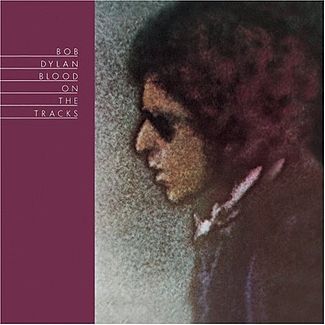
now disappeared. Leaving nothing but blood on [their] tracks.
The trouble now is nothing really matters much, it's doom
alone that counts.

Yesterday I received an email
from the Foreign and Commonwealth Office, which stated that:
The EU Referendum Act received Royal Assent in December 2015. The Act
was scrutinised and debated in Parliament during its passage and agreed by both
the House of Commons and the House of Lords. The Act set out the terms under
which the referendum would take place, including provisions for setting the
date, franchise and the question that would appear on the ballot paper. The Act
did not set a threshold for the result or for minimum turnout.
As the Prime Minister made clear in his statement to the House of
Commons on 27 June, the referendum was one of the biggest democratic exercises
in British history with over 33 million people having their say. The Prime
Minister and Government have been clear that this was a once in a generation
vote and, as the Prime Minister has said, the decision must be respected. We
must now prepare for the process to exit the EU and the Government is committed
to ensuring the best possible outcome for the British people in the
negotiations…..

As the Prime Minister has said.... the decision must be respected....
Why?
Is this Prime Minister, who set up this farrago, and who didn't see through the selfish desire to quash disrespect within his own party, or vitriol from UKIP (United Kingdom Implosion Party).... the spineless Astoroid (sic) who has since jellyfished out of all responsibility.... Is this Primo Ministro to be respected? Should every person within what currently goes under the title of the United Kingdom (soon to be dissolved), and practically everyone within Europe, suffer the degradation that will follow this vanity and egoism?
Well, I offered up my innocence I got repaid with scorn… But, now I feel that I'm livin' in a foreign country but I'm bound to cross the line….. If I could only turn back the clock.

I am at the bottom of Burrington Combe again, with brown sauce and
ketchup on my shirt. In 1762 the
Reverend Augustus Montague Toplady found shelter from the storm here, and thanked his
God.
Not the labour of my hands
Can fulfill Thy law's demands;
Could my zeal no respite know,
Could my tears forever flow,
All for sin could not atone;
Thou must save, and Thou alone.
In my fear
and despair I wish I could place my trust in someone. I wish there was a God who would strike the
discredited and the departing down, but if there is a God, then He must have
ordained this situation, and sent the plague to test us. Just to think that it all began on an
uneventful morn….

Instead of going home, I drive to the

On Priddy
village green there is a thatched shelter, which houses a stack of wooden
hurdles. An inscription explains that These
hurdles are a symbolic reconstruction of the original collection. They were stored here to form the Pens for
the Sheep Fair which moved from Wells to Priddy in 1348 at the outbreak of the
Black Death….. The stack was destroyed in an arson attack on
April 28th 2013. Volunteers
rebuilt it that August….

I wonder
how many symbolic reconstructions of things we will live to see? How much of our history will be lost? What else will we have to move to avoid the plague? How many of the things we
take for granted will be stranded without love?
The village
phone box now houses a defibrillator..... No harm in that (Times have changed); only perhaps that is what the whole nation needs?

If only someone would say Come in…. I'll give ya shelter from the storm....

Back in Bristol, on the edge of the Avon Gorge, looking for peregrines, the ground starts to shake. I am almost run down by women in pink....

Suddenly I turned around and she was standing there....
"Come in" she said
"I'll give you shelter from the storm"